
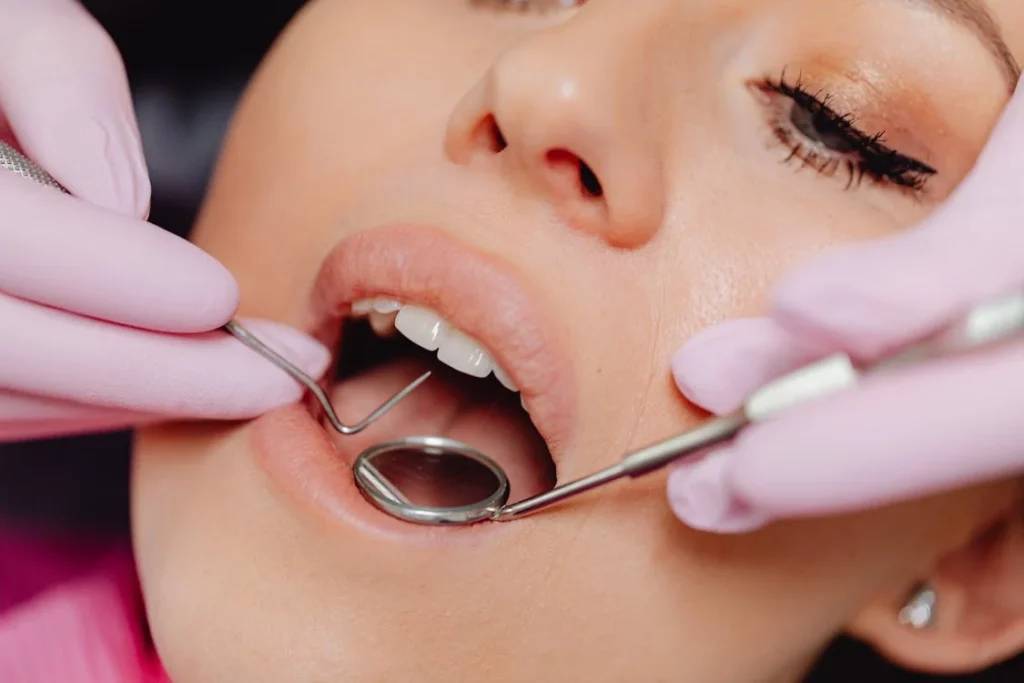
Losing a tooth can affect not only your smile but also your oral health and confidence. When it comes to replacing missing teeth, dental implants and dental bridges are two of the most common restorative options available. Understanding the differences between these treatments is key to making the best choice for your individual needs. In this article, we’ll explore the benefits, drawbacks, and practical considerations of each option to help you restore your smile effectively.
Understanding Dental Implants
Dental implants are titanium posts surgically placed into the jawbone to act as artificial tooth roots. Over time, these implants fuse with the bone through a process called osseointegration, providing a strong foundation for a natural-looking crown.
Key Benefits of Dental Implants
- Longevity and durability: With proper care, implants can last 15-25 years or more, often outlasting other restorations.
- Bone preservation: Implants help prevent jawbone loss, which is a common issue after tooth loss.
- Natural function and aesthetics: They restore chewing ability and look very much like your own teeth.
Important Considerations
Dental implants require good overall health and sufficient jawbone density for successful placement. The treatment timeline includes surgery and a healing period that can take several months.
According to WebMD, implants provide a reliable, long-term solution for most patients seeking durable tooth replacement, especially when bone preservation is a priority.
Understanding Dental Bridges
Dental bridges consist of one or more artificial teeth anchored to adjacent natural teeth or implants. This “bridge” fills the gap created by missing teeth without the need for surgery in most cases.
Advantages of Dental Bridges
- Shorter treatment time: Usually completed in just a few dental visits.
- Lower upfront cost: Bridges typically have a lower initial cost compared to implants.
- Non-surgical: No invasive procedure required for placement in most cases.
Drawbacks to Consider
Bridges require filing down neighboring teeth to support the prosthetic, which can weaken those teeth over time. Additionally, bridges generally last between 5-15 years and do not prevent bone loss beneath the missing tooth.
The National Institute of Dental and Craniofacial Research emphasizes that bridges remain a valuable option for patients who prefer a quicker, less invasive restoration or who may not be candidates for implant surgery.
Comparing Cost and Longevity
While dental implants typically have a higher upfront cost – ranging from $3,000 to $5,000 per tooth – they tend to be more cost-effective long term due to their durability. Bridges cost less initially, often between $1,500 and $3,000, but may require replacement sooner, increasing lifetime expenses.
Choosing between implants and bridges should factor in not only cost but also longevity and impact on oral health.
Impact on Oral Health
Implants offer significant oral health benefits by stimulating and preserving the jawbone, which helps maintain facial structure and oral function. Bridges, while effective at restoring chewing ability, rely on adjacent teeth and may increase the risk of decay or damage to those teeth.
Maintaining excellent oral hygiene is critical regardless of the restoration type to ensure long-lasting results.
Recovery and Procedure Time
The dental implant process involves surgical placement and a healing phase, often lasting 3 to 6 months before attaching the crown. While recovery may involve some discomfort, most patients return to normal activities quickly.
Bridges offer a faster, less invasive solution, typically completed within a few weeks without surgery.
Who Should Choose Which Option?
- Dental implants are best suited for patients with good bone density and overall health who desire a long-lasting, natural-feeling restoration.
- Dental bridges may be preferred by those seeking a quicker, less invasive treatment or those with medical or anatomical limitations preventing implants.
A thorough dental evaluation is essential to determine the best option tailored to your unique needs.
Tips for Maintaining Your Dental Restorations
To maximize the lifespan of implants or bridges, maintain a consistent oral care routine including brushing twice daily and flossing or using interdental cleaners. Avoid excessively hard or sticky foods and schedule regular dental checkups to catch any issues early.
Make the Best Choice for Your Smile
Both dental implants and bridges are effective solutions for replacing missing teeth, each with its own pros and cons. Implants offer unmatched longevity and support for jawbone health, while bridges provide a quicker, less invasive, and generally more affordable option.
Consult with your dentist to discuss your specific case, budget, and health to choose the treatment that will best restore your smile and oral function for years to come.