
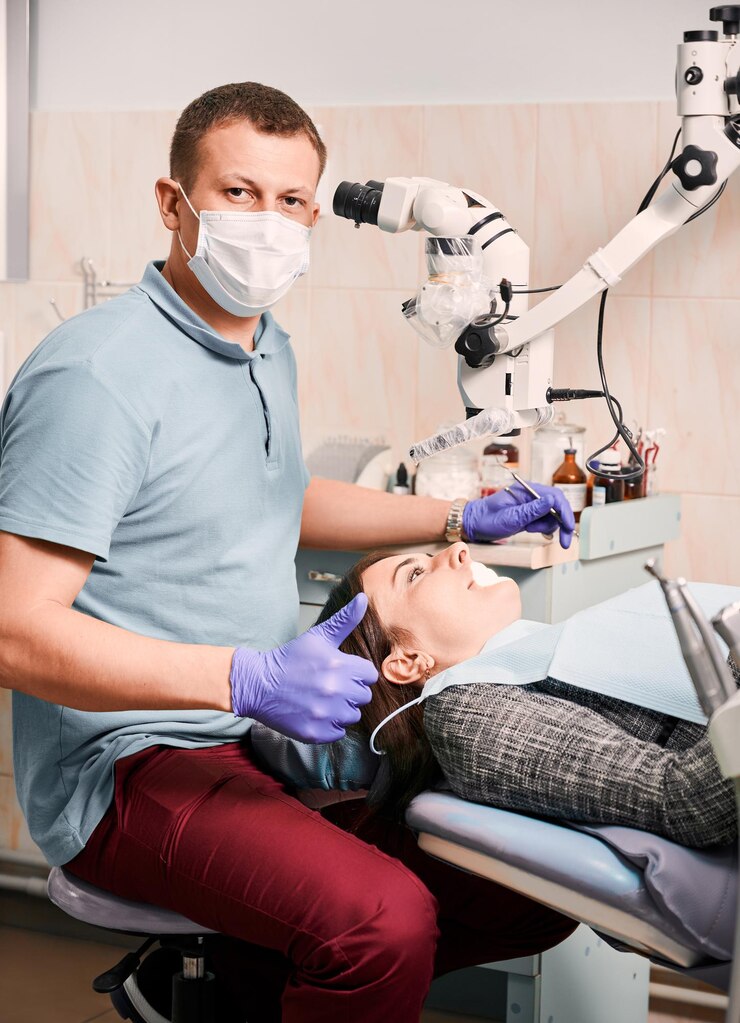
Maintaining family dental health is more than just brushing twice a day. It’s about creating a routine that fits your household’s lifestyle, ensures long-term oral wellness, and instills habits that last a lifetime. At Assure Dental in Leland, NC, we see families every day who struggle with keeping their oral care consistent, from managing children’s routines to supporting seniors with dental restorations. A carefully crafted daily dental routine not only strengthens teeth and gums but also promotes overall health and well-being for every family member.
Why a Consistent Family Dental Routine Matters
The Lasting Benefits of Preventive Oral Care
A strong dental routine protects your family from common issues like cavities, gum disease, and tooth loss. But the benefits extend far beyond the mouth. Preventive care reduces the risk of expensive dental procedures, minimizes discomfort, and contributes to overall wellness. For children, forming healthy habits early sets the foundation for a lifetime of confident smiles and positive attitudes toward oral hygiene. For adults, it helps prevent chronic oral health issues that could affect their general health.
The Link Between Oral Health and Overall Wellness
Oral health is closely connected to systemic health. Poor dental hygiene has been linked to heart disease, diabetes, and respiratory infections. For children, untreated cavities can impact eating, nutrition, and even speech development. Adults may experience inflammation or complications from untreated gum disease that can exacerbate chronic conditions. By prioritizing daily care, families can reduce these risks and improve long-term health outcomes.
Building a Daily Dental Routine for Every Family Member
Brushing the Right Way
Brushing may seem simple, but technique and consistency are key. Each family member should brush at least twice a day, ideally for two minutes, with fluoride toothpaste. Electric toothbrushes can help both kids and adults clean more effectively, removing plaque from hard-to-reach areas. Encourage thorough brushing of all surfaces, including molars, gums, and the tongue, to prevent bacteria buildup and bad breath.
The Critical Role of Flossing
Flossing often gets overlooked, but it’s essential for preventing cavities and gum disease. Floss reaches the areas between teeth that a toothbrush cannot, removing food particles and plaque. Children can start with floss picks or child-friendly flossers, gradually moving to traditional floss as their dexterity improves. Adults should not skip flossing, as it prevents gum inflammation and reduces the risk of systemic health issues linked to oral bacteria.
Mouthwash: A Useful Complement
Mouthwash can help reduce bacteria, freshen breath, and strengthen enamel if it contains fluoride. For children under six, choose alcohol-free rinses, while adults may benefit from options that provide antibacterial protection. Mouthwash should never replace brushing and flossing but can be a valuable addition to a comprehensive routine.
Age-Specific Dental Care Tips
Infants and Toddlers
Even before teeth appear, gently clean gums with a soft cloth or infant toothbrush. Schedule a first dental visit by age one to establish preventive care habits and allow the child to become familiar with the dentist in a positive way. Early visits can also help parents receive guidance on teething, pacifier use, and early cavity prevention.
School-Age Children
This is the perfect age to reinforce consistent brushing, flossing, and healthy snacking. Encourage children to see oral care as a daily habit, not a chore. Regular dental visits during these years allow for early detection of cavities, guidance on fluoride use, and preventive sealants if needed.
Teenagers
Teenagers face unique challenges, from orthodontic care to lifestyle choices that affect oral health. Braces or clear aligners require diligence to prevent decay and gum disease. Teenagers should also understand the impact of sugary drinks, energy drinks, and frequent snacking on their dental health. Mouthguards are essential for teens involved in sports, protecting teeth from injury.
Adults and Seniors
As adults age, they encounter issues such as gum recession, dry mouth, and increased risk of cavities. Seniors often rely on dental restorations, such as crowns, bridges, or dentures, which require regular maintenance. Adult dental care should include attention to these restorations, routine checkups, and preventive measures to protect both natural teeth and appliances.
Nutrition and Oral Health: Feeding Healthy Smiles
Foods That Promote Strong Teeth
Calcium-rich foods like milk, cheese, yogurt, and leafy greens help strengthen enamel. Crunchy fruits and vegetables stimulate gums and help naturally clean teeth. Foods high in phosphorus, such as eggs, fish, and nuts, support strong tooth structure and prevent decay.
Foods and Beverages to Limit
Sugary and acidic foods, sodas, and processed snacks increase the risk of cavities and enamel erosion. While occasional treats are fine, moderation is key. Encourage water consumption and limit sugary drinks to mealtime.
Smart Snack Alternatives
Keep teeth-friendly snacks available, such as cheese cubes, apples, carrot sticks, and almonds. Teaching children to make healthy choices reinforces habits that protect their oral health throughout life.
Making Dental Care Easier for Busy Families
Establishing a Family Dental Schedule
Consistency is critical. Set specific times for morning and evening brushing and flossing. Visual charts, phone reminders, or reward systems can motivate children to follow the routine.
Making Oral Care Fun
Turn brushing and flossing into a game or family activity. Play music, use apps that track brushing time, or reward consistent behavior. When kids associate oral hygiene with fun, they are more likely to maintain it.
Leading by Example
Children learn by imitation. Parents who consistently demonstrate proper oral care inspire their children to do the same. Brush and floss together as a family, and explain the importance of each step in a friendly, educational way.
The Importance of Regular Dental Checkups
Frequency of Visits
Routine dental exams and professional cleanings should occur at least twice a year. These visits allow dentists to identify early signs of cavities, gum disease, or other oral health issues before they become serious.
Benefits of Preventive Checkups
Preventive visits provide guidance on at-home care, monitor the health of dental restorations, and allow for timely interventions. Children, adults, and seniors all benefit from regular evaluations to maintain strong teeth and gums.
Choosing the Right Family Dentist
A family dentist should provide care tailored to each age group, from infants to seniors. At Assure Dental in Leland, NC, our experienced team offers personalized preventive care, dental education, and support for every family member.
Common Family Dental Mistakes to Avoid
- Brushing too hard, which can damage gums.
- Skipping flossing or rushing it.
- Waiting until there’s pain to visit the dentist.
- Sharing toothbrushes among family members.
- Underestimating the importance of baby teeth.
Correcting these habits ensures long-term oral health and helps families avoid preventable issues.
Creating Lifelong Healthy Smiles
A strong family dental health routine is built through daily habits, preventive care, nutrition, and professional support. By fostering good oral hygiene from an early age, making dental care enjoyable, and maintaining regular checkups, families can enjoy healthier teeth, confident smiles, and better overall wellness.
Looking for a trusted family dentist in Leland, NC? Schedule an appointment with Assure Dental, and let our expert team help your family build a dental routine that works for every member.